- 416-P, Near Huda Market, Sector 40, Gurugram, Haryana 122003
Physiotherapy Treatments for Pain Relief, Mobility & Rehabilitation
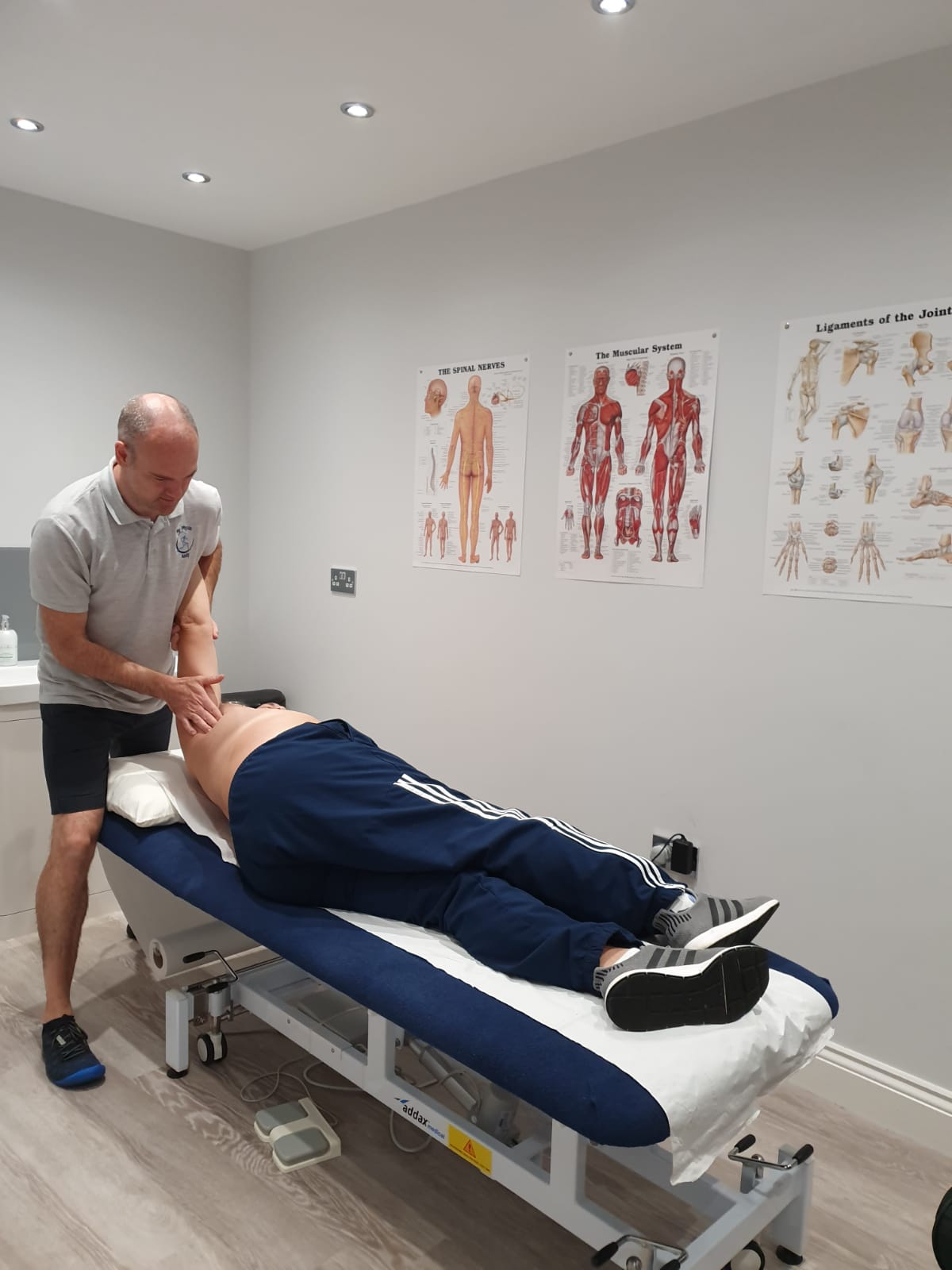
At Healthy Vibes, we focus on helping individuals manage pain, improve mobility, restore physical function, and return to their everyday activities through personalised physiotherapy and rehabilitation.
Whether you are experiencing persistent back pain, knee discomfort, neck stiffness, a shoulder injury, or require rehabilitation after surgery or a fracture, our treatment approach begins with understanding your symptoms, movement limitations, and individual recovery goals.
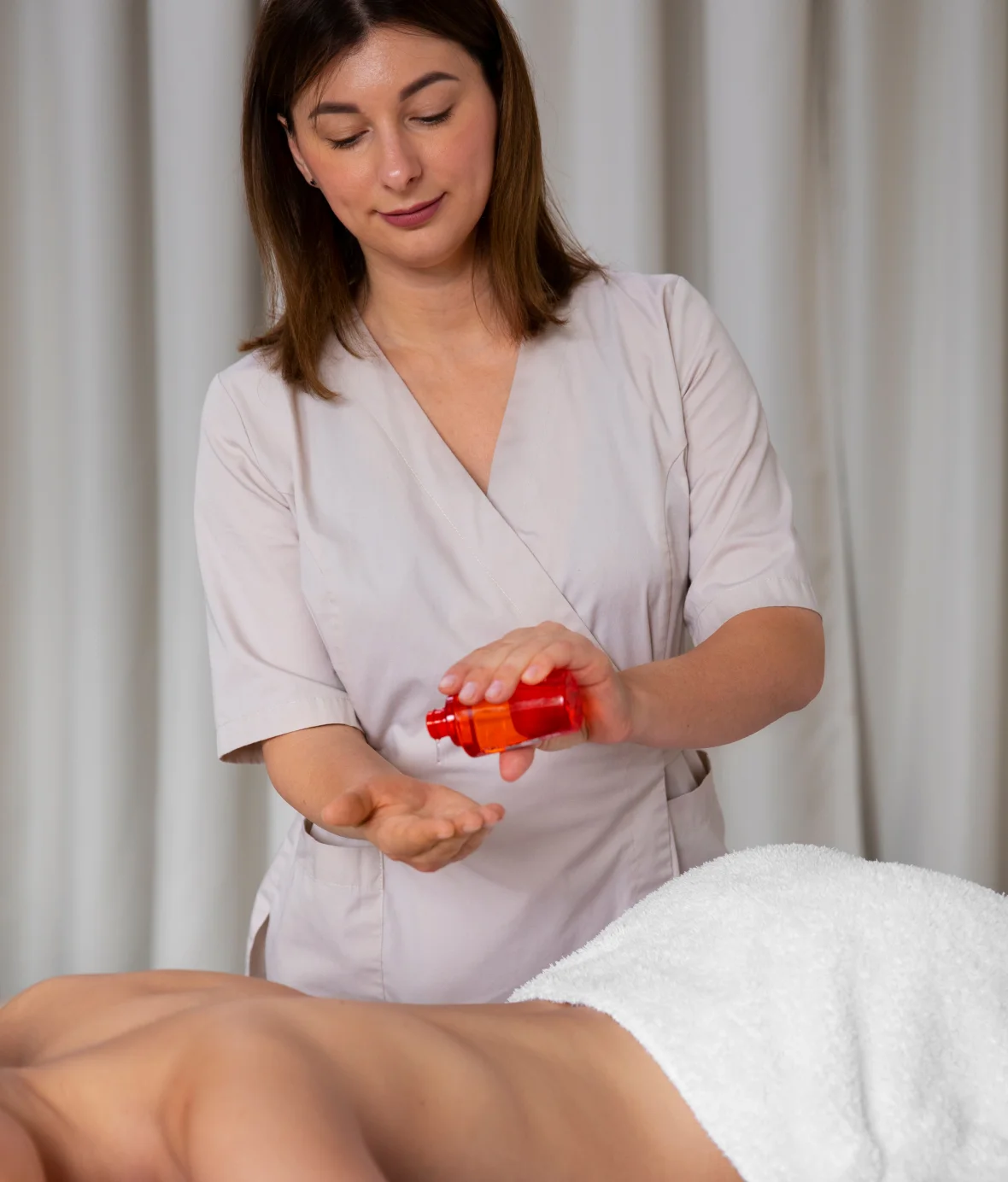
Our physiotherapy care may include therapeutic exercises, manual therapy, mobility training, and other appropriate techniques based on your assessment and clinical needs.
Take the First Step Towards Better Movement
Don’t let pain or restricted movement unnecessarily interfere with your daily life. Contact Healthy Vibes to discuss your symptoms and explore suitable physiotherapy treatment options.
Back Pain Treatment
Find Relief from Back Pain and Improve Your Mobility
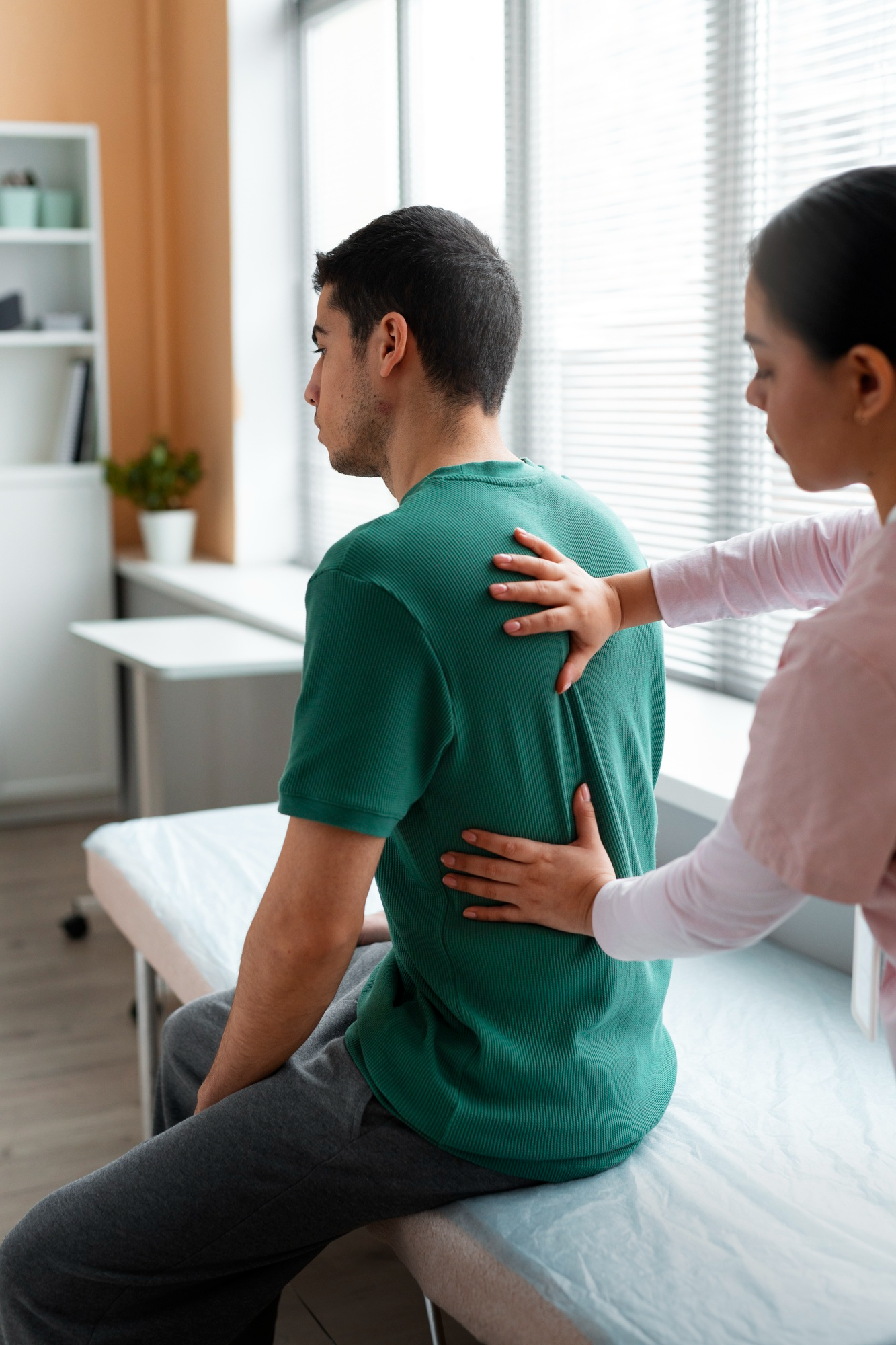
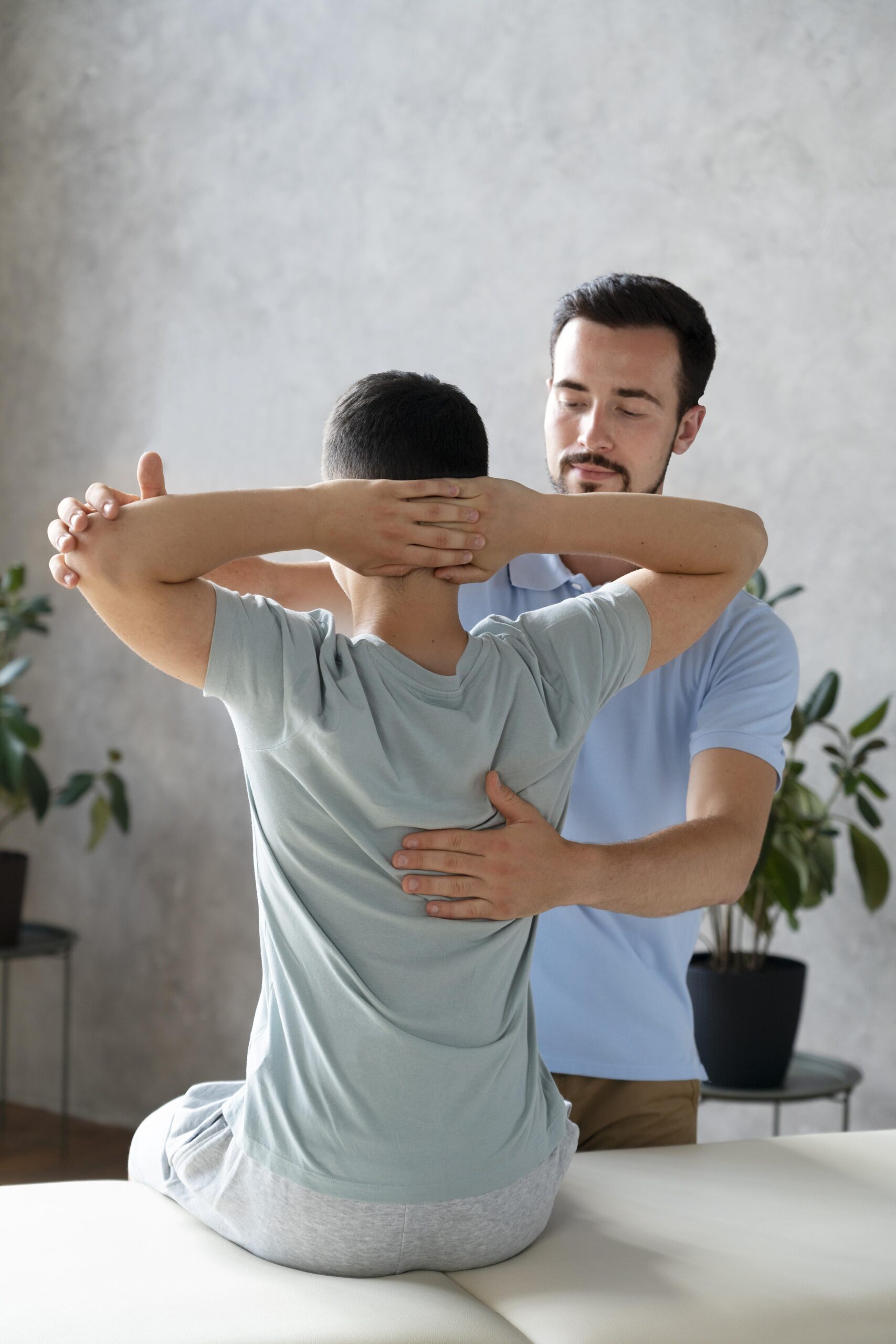
Back pain can affect your ability to sit, stand, walk, bend, lift objects, and perform everyday activities comfortably. It may develop due to prolonged sitting, poor movement habits, muscle strain, spinal conditions, or nerve irritation.
At Healthy Vibes, physiotherapy focuses on assessing the underlying factors contributing to back pain and developing an individualised treatment plan to improve movement, manage discomfort, and support recovery.
Conditions We Address
Herniated Disc: A condition in which disc material may irritate nearby nerves, potentially causing back pain, tingling, numbness, or radiating pain.
Lumbar Spondylosis: Age-related changes in the lower spine that may contribute to stiffness, discomfort, and reduced mobility.
Spondylolisthesis: A condition in which one vertebra slips relative to another, sometimes causing back pain or nerve-related symptoms.
Sacroiliac (SI) Joint Dysfunction: Pain or discomfort around the joint connecting the spine and pelvis, which may affect standing, walking, and changing positions.
Spinal Stenosis: Narrowing of spaces within the spine that may place pressure on nerves and cause pain, numbness, or walking difficulties.
Lumbar Radiculopathy: Irritation or compression of a nerve in the lower back that may cause pain, tingling, numbness, or weakness extending into the leg.
Layer Syndrome: This term appears in the supplied website outline. Please confirm the intended clinical diagnosis before publishing this subsection.
How Physiotherapy May Help
- Improve spinal mobility and movement control.
- Strengthen supporting muscles.
- Address flexibility and movement limitations.
- Improve posture and functional movement where relevant.
- Support a gradual return to daily activities.
Your physiotherapist will recommend appropriate techniques and exercises after assessing your symptoms and physical function.
When Should You Seek Assessment?
Consider a physiotherapy assessment if back pain persists, repeatedly returns, or interferes with your daily activities. New bowel or bladder control problems, numbness around the groin or saddle area, or rapidly progressing leg weakness require urgent medical evaluation.
Get Your Back Pain Assessed
Knee Pain Treatment
Move More Comfortably with Personalised Knee Physiotherapy
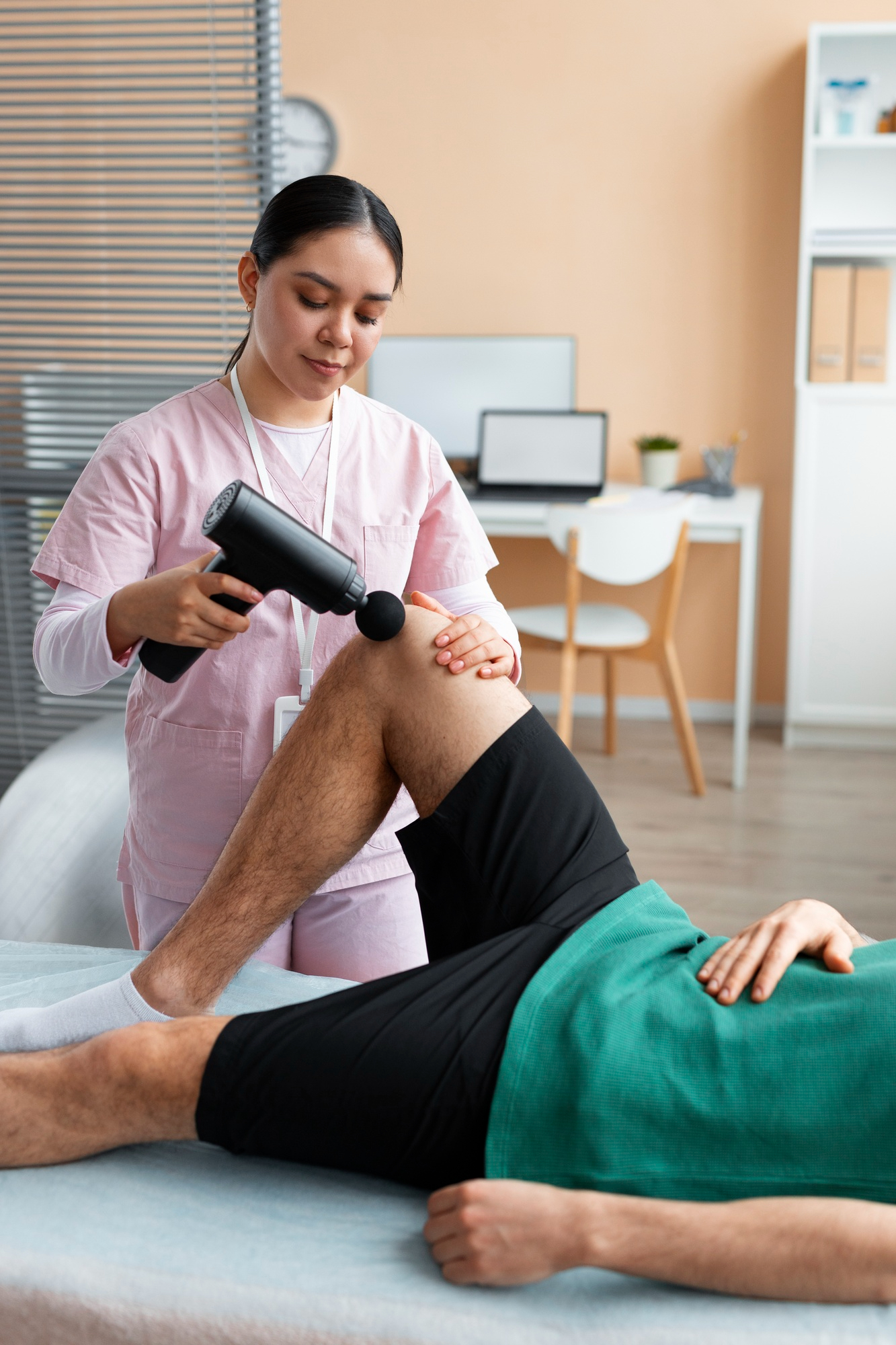
Knee pain can make walking, climbing stairs, squatting, exercising, and getting up from a chair difficult. It may result from sports injuries, joint degeneration, kneecap-related problems, or muscle imbalances.
Healthy Vibes provides assessment-led physiotherapy and rehabilitation to help improve knee movement, build strength, and support a safe return to daily activities.
Conditions We Address
Meniscal Tear: An injury to the cartilage that helps cushion the knee joint, potentially causing pain, swelling, catching, or restricted movement.
Knee Osteoarthritis: A degenerative joint condition that may cause pain, stiffness, and difficulty with weight-bearing activities.
Patellofemoral Pain Syndrome: Pain around or behind the kneecap, often aggravated by stairs, squatting, running, or prolonged sitting.
Pes Anserine Pain: Discomfort around the inner side of the knee, which may involve the pes anserine tendons or bursa.
Chondromalacia Patella: Changes involving the cartilage beneath the kneecap that may contribute to anterior knee pain.
Total Knee Replacement (TKR) Rehabilitation: A structured rehabilitation programme to help improve knee movement, strength, walking ability, and functional independence after knee replacement surgery.
Total Hip Replacement (THR) Rehabilitation: Rehabilitation focused on restoring safe mobility, improving strength, and progressing everyday activities following hip replacement surgery.
Ligament Injuries: Injuries affecting the ligaments that stabilise the knee, potentially causing pain, swelling, or a feeling of instability.
How Physiotherapy May Help
- Improve knee mobility and flexibility.
- Strengthen the muscles supporting the knee and hip.
- Improve balance, stability, and movement control.
- Progress walking, stair climbing, and functional activities.
- Support post-surgical rehabilitation under appropriate medical guidance.
Treatment depends on the diagnosis, severity of the condition, and your individual recovery goals.
When Should You Seek Assessment?
Seek an assessment if knee pain persists, swelling recurs, your knee feels unstable, or daily activities become difficult. A severely swollen knee, inability to bear weight, or a hot, red knee accompanied by fever warrants prompt medical assessment.
Take the Next Step Towards Better Knee Movement
Neck Pain Treatment
Reduce Neck Discomfort and Improve Movement
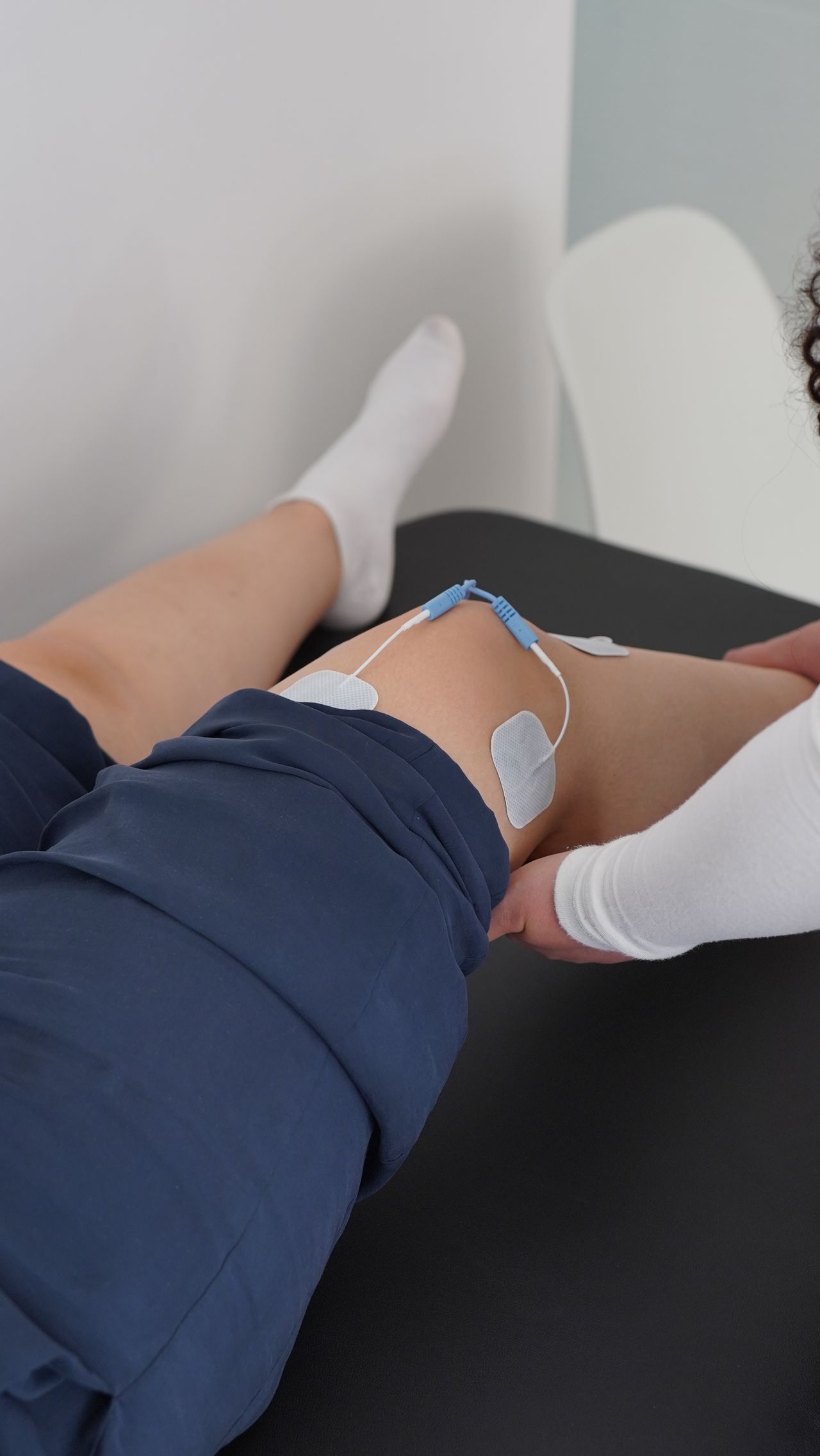
Neck pain and stiffness can affect your ability to turn your head, work at a desk, drive, sleep comfortably, or carry out routine activities. Common contributing factors include prolonged screen use, muscle strain, cervical spine conditions, and nerve irritation.
At Healthy Vibes, physiotherapy aims to improve neck mobility, address muscle and movement limitations, and help you return to daily activities with greater comfort.
Conditions We Address
Cervical Radiculopathy: Irritation or compression of a nerve in the neck that may cause pain, tingling, numbness, or weakness extending into the arm.
Whiplash: A neck injury caused by a sudden acceleration-deceleration movement, commonly associated with road accidents or other impacts.
Trapeziitis: Inflammation or irritation involving the trapezius muscle region, which may contribute to neck, shoulder, and upper-back discomfort.
Cervical Spondylosis: Age-related changes in the cervical spine that may contribute to stiffness, pain, or nerve-related symptoms.
Cervical Spondylolisthesis: Displacement of one cervical vertebra relative to another, which may require medical assessment and an appropriately tailored rehabilitation plan.
Cervical Spondylitis: A term that can refer to inflammatory spinal conditions. The precise diagnosis should be established before treatment is planned.
Torticollis: A condition involving abnormal neck positioning or muscle tightness that can restrict comfortable head movement.
Cervical Herniated Disc: A condition in which disc material in the neck may irritate nearby nerves, potentially causing neck pain and symptoms extending into the arm.
How Physiotherapy May Help
- Improve neck mobility and flexibility.
- Address muscle tightness and movement restrictions.
- Strengthen the neck and shoulder-supporting muscles.
- Improve posture and work-related movement habits.
- Support gradual recovery and functional movement.
Treatment is individualised according to your assessment and the underlying condition.
When Should You Seek Assessment?
Consult a healthcare professional if neck pain persists, frequently returns, or spreads into your arm. Neck pain accompanied by progressive weakness, difficulty walking, significant coordination problems, or a severe headache following an injury requires urgent medical evaluation.
Get Professional Help for Neck Pain
Shoulder Pain Treatment
Restore Shoulder Mobility, Strength and Function
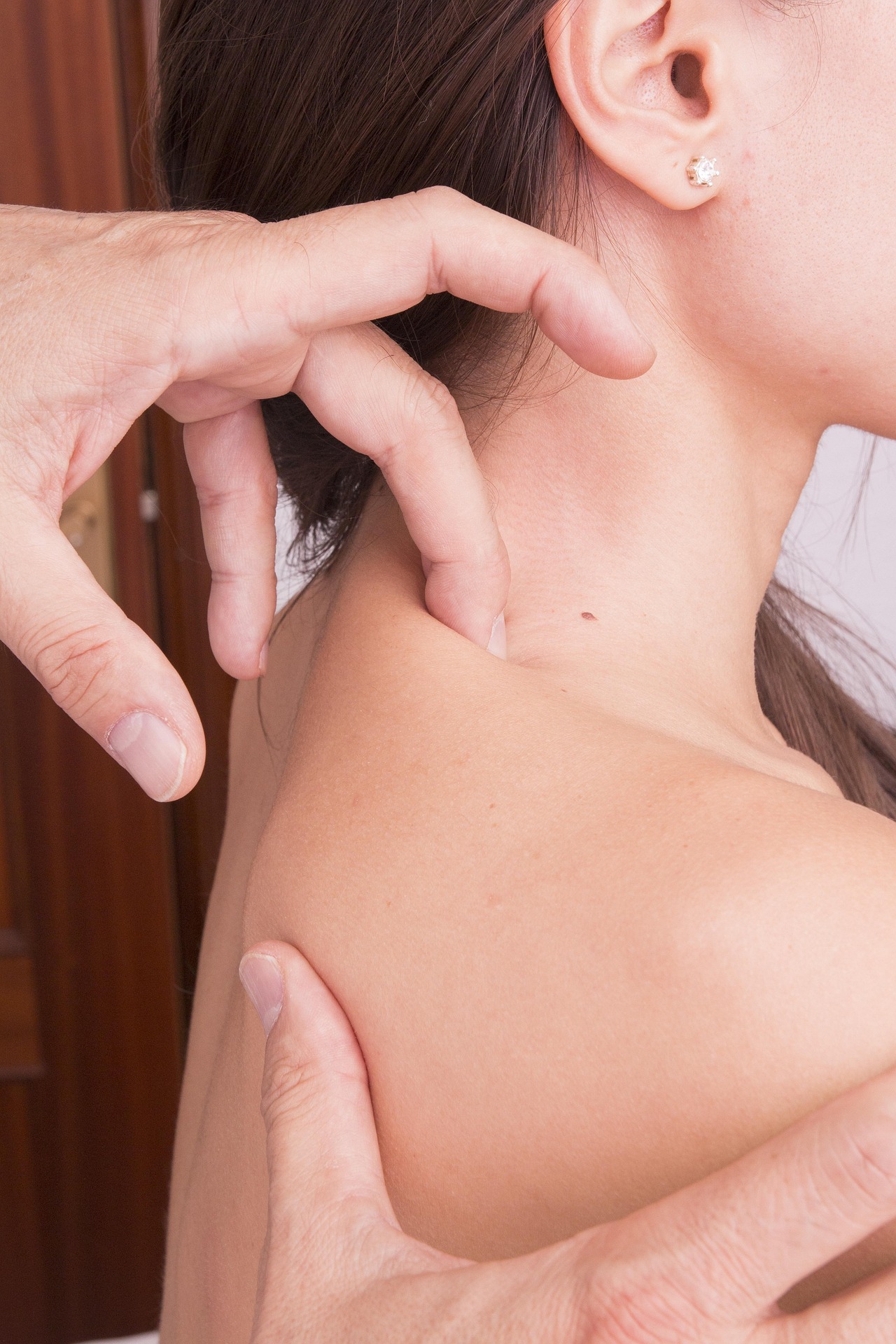
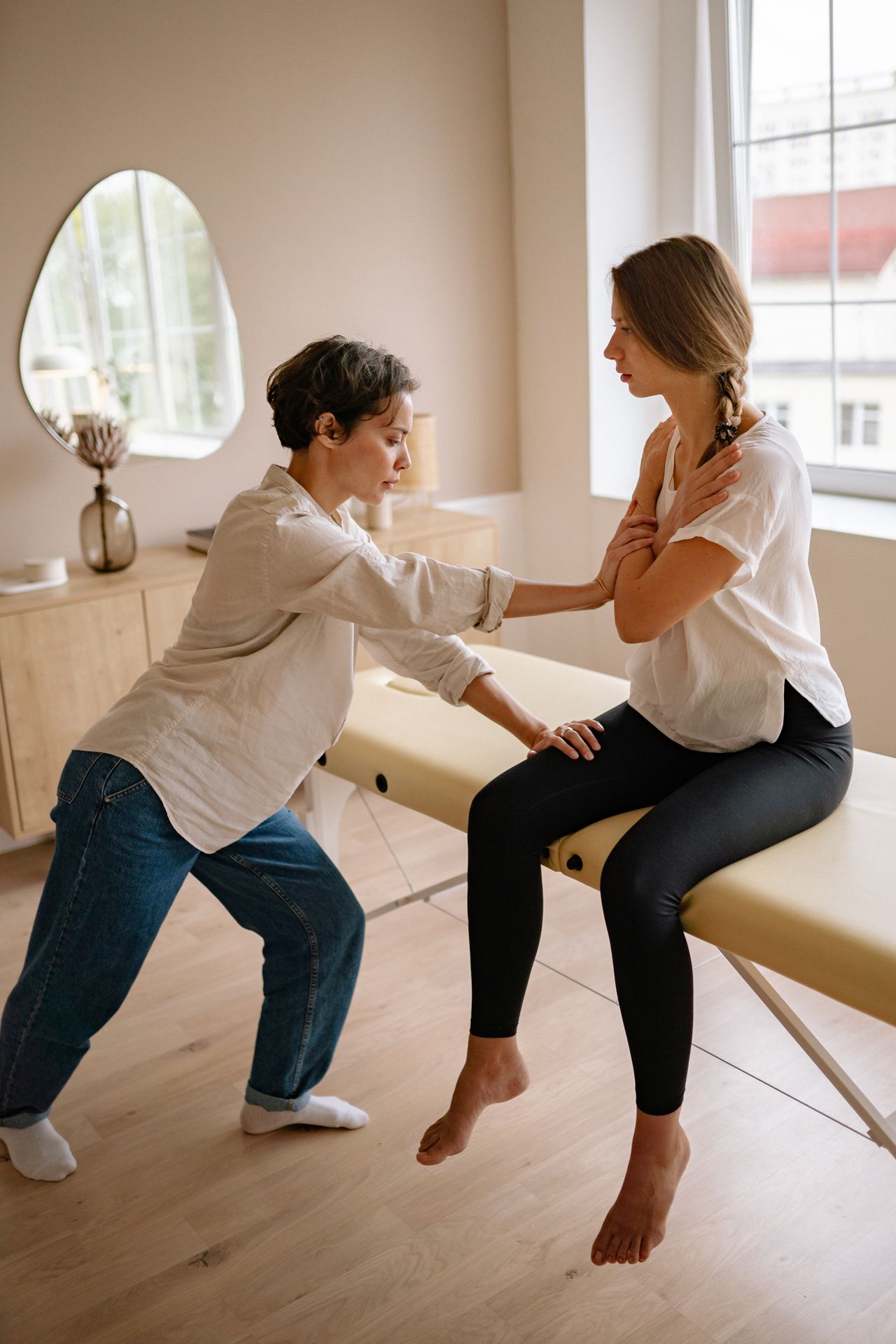
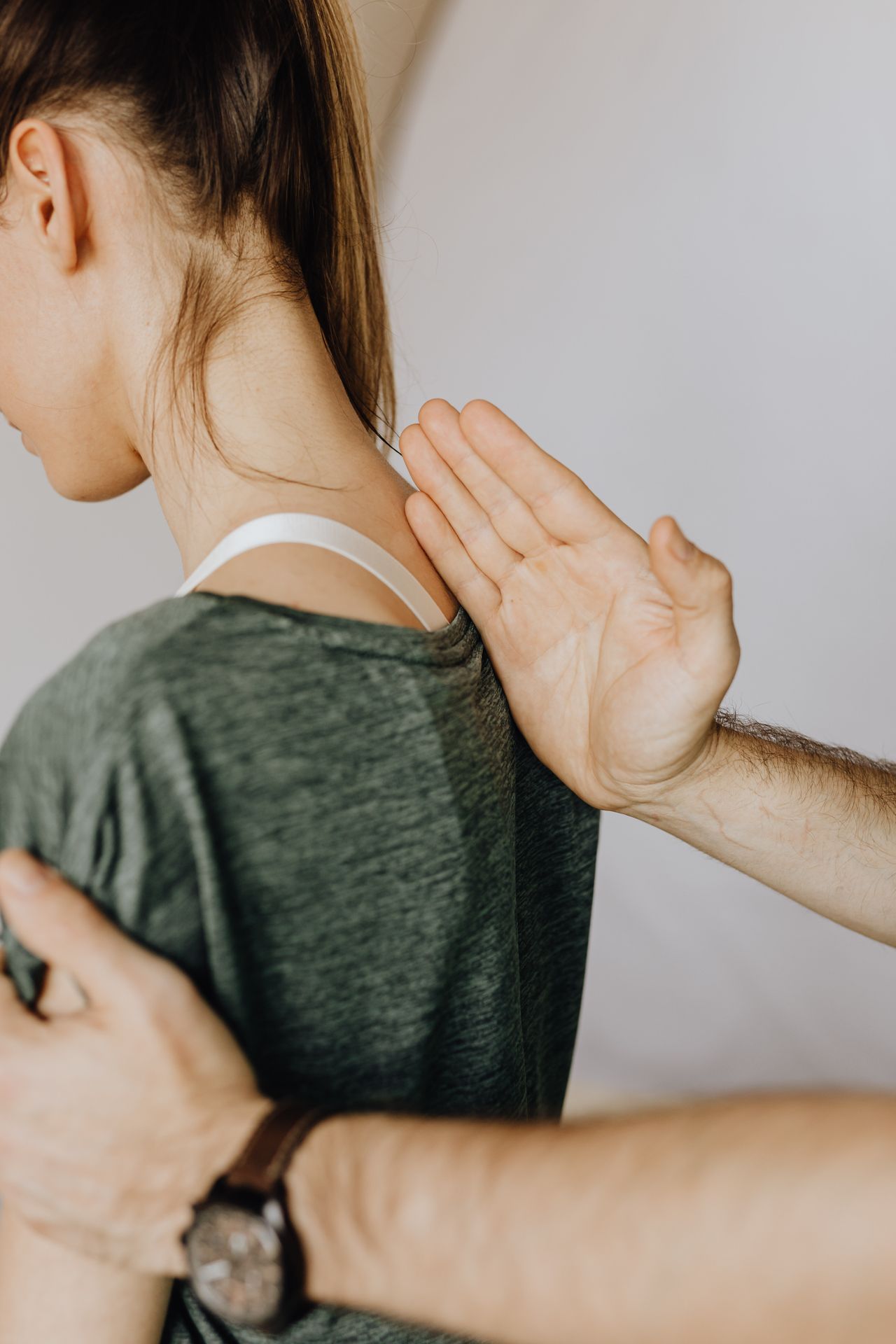
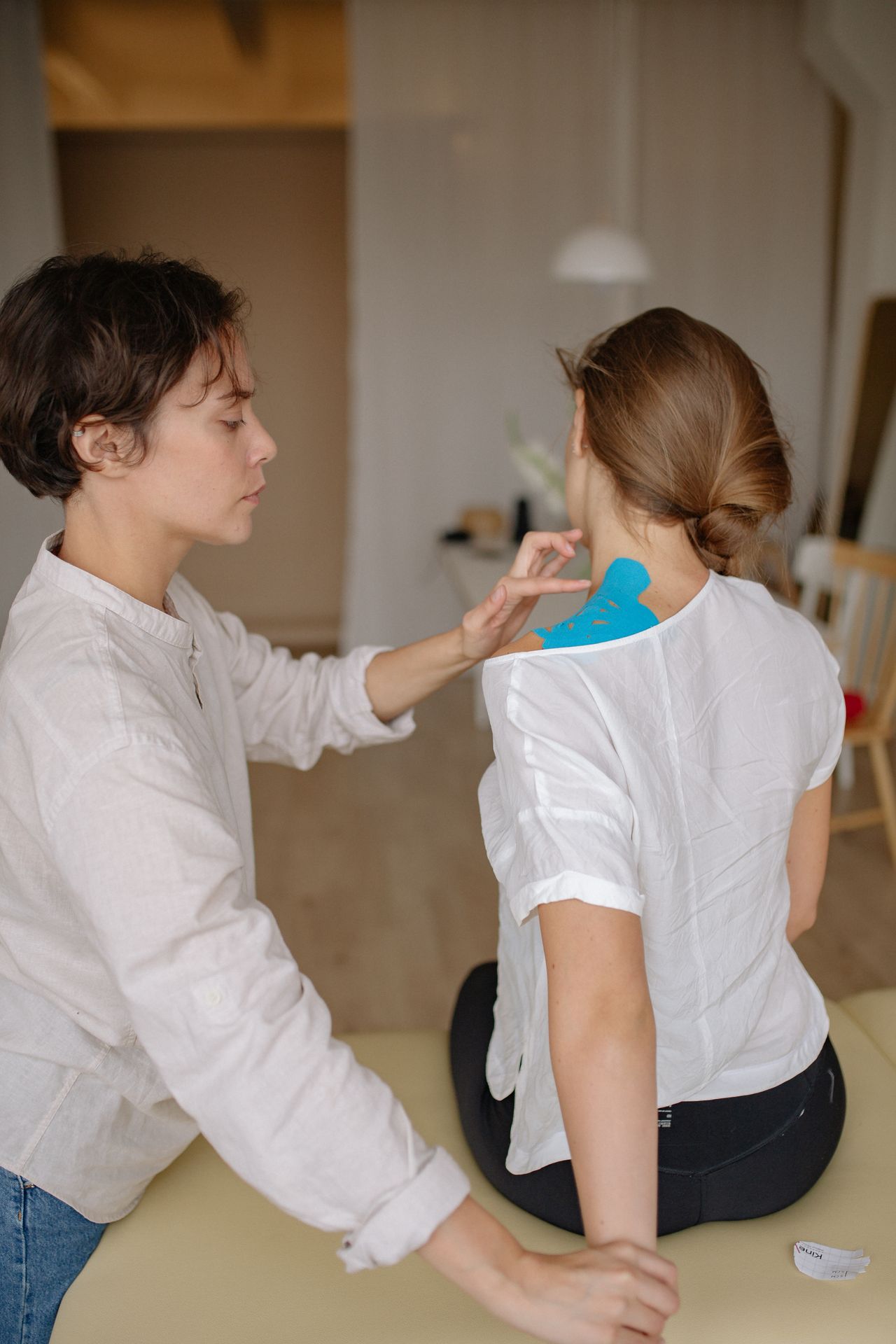
Shoulder pain can make reaching overhead, dressing, lifting objects, sleeping on your side, and performing work or sports activities uncomfortable. The cause may involve restricted joint movement, tendon irritation, bursitis, or an injury to the shoulder structures.
Healthy Vibes offers physiotherapy and rehabilitation designed to address shoulder movement limitations, improve strength, and support a progressive return to everyday activities.
Conditions We Address
Frozen Shoulder: A condition characterised by progressive shoulder stiffness and pain that can significantly restrict movement.
Shoulder Impingement: Shoulder pain associated with irritation of structures around the rotator cuff during certain arm movements. Assessment is important to identify the contributing factors.
Shoulder Bursitis: Irritation or inflammation of a bursa, which may cause shoulder pain and discomfort during movement.
Rotator Cuff Tear: An injury to one or more tendons that help stabilise and move the shoulder. Symptoms may include pain, weakness, and difficulty lifting the arm.
Shoulder Ligament Injuries: Injuries affecting the structures that provide stability to the shoulder region, potentially causing pain and restricted function.
How Physiotherapy May Help
- Improve shoulder mobility and flexibility.
- Progress strengthening of the shoulder and surrounding muscles.
- Improve movement control and functional capacity.
- Reduce movement-related limitations through appropriate rehabilitation.
- Support recovery following an injury or medical procedure.
Your treatment plan will depend on the severity of the injury, your functional limitations, and whether additional medical assessment is required.
When Should You Seek Assessment?
Seek assessment if shoulder pain persists, limits your arm movement, or interferes with sleep and daily activities. Sudden severe pain, visible deformity, or inability to move the arm after an injury requires prompt medical evaluation.
Move Your Shoulder with Greater Confidence
Tennis Elbow and Golfer's Elbow
Manage Elbow Pain and Regain Comfortable Arm Movement
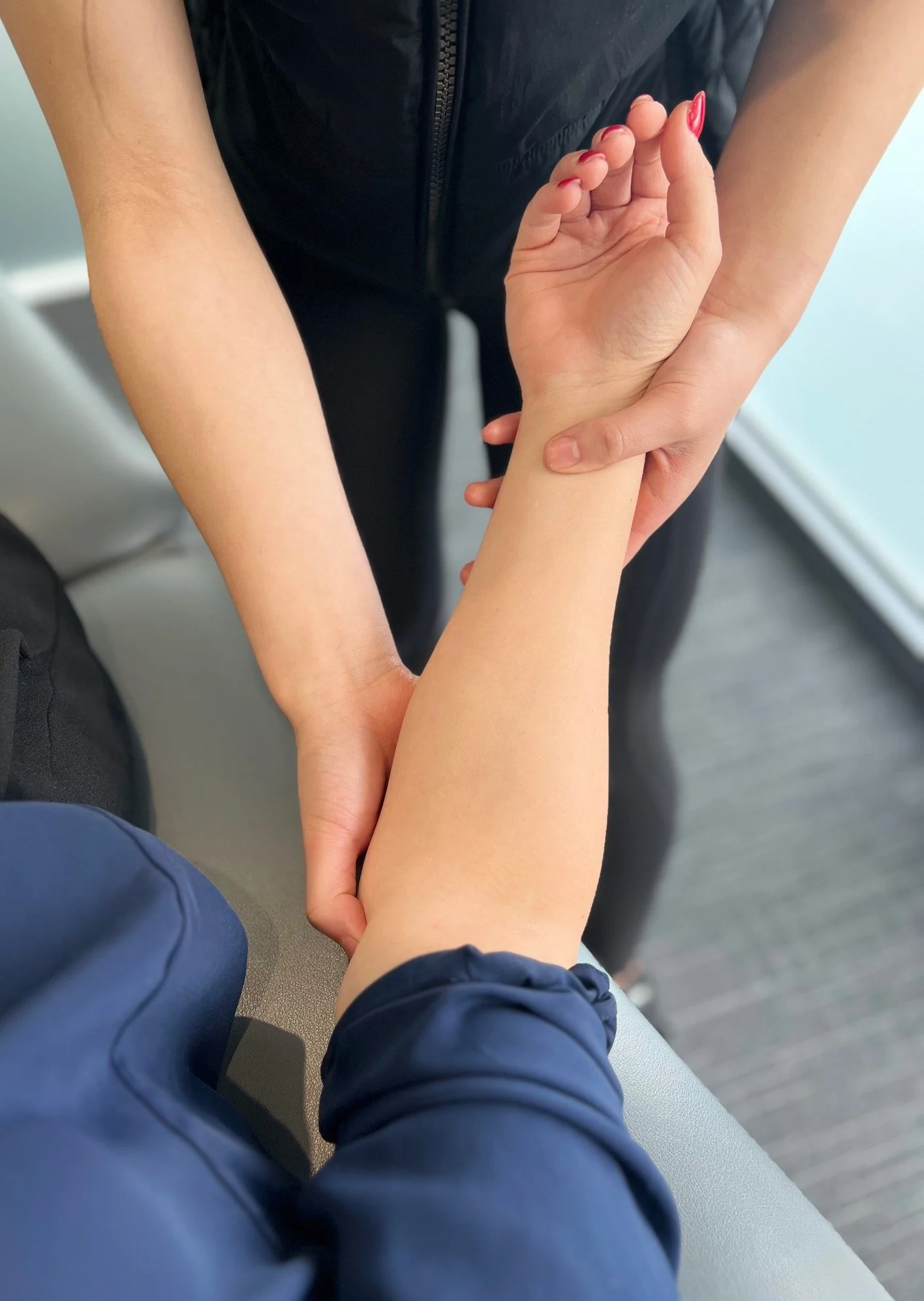
Tennis elbow and golfer’s elbow are conditions commonly associated with irritation of the tendons around the elbow. They can develop through repetitive gripping, lifting, wrist movements, sports, or work-related activities.
Tennis Elbow: Typically causes pain around the outer side of the elbow, sometimes aggravated by gripping or lifting.
Golfer’s Elbow: Typically causes pain around the inner side of the elbow, particularly during gripping or wrist-flexion activities.
How Physiotherapy May Help
- Assess the source of elbow pain and movement limitations.
- Progress suitable strengthening and flexibility exercises.
- Address contributing activity and loading patterns.
- Improve tolerance for gripping, lifting, work, and sports.
- Support a gradual return to normal activities.
Get Your Elbow Pain Assessed
Naval Displacement
The PDF lists “Naval Displacement.” This term needs confirmation before the website content is finalised, as its intended medical meaning is unclear. Do not publish a clinical description until Healthy Vibes confirms the exact condition or treatment intended.
Ankle and Foot Pain Treatment
Improve Foot Comfort, Ankle Mobility and Walking Function
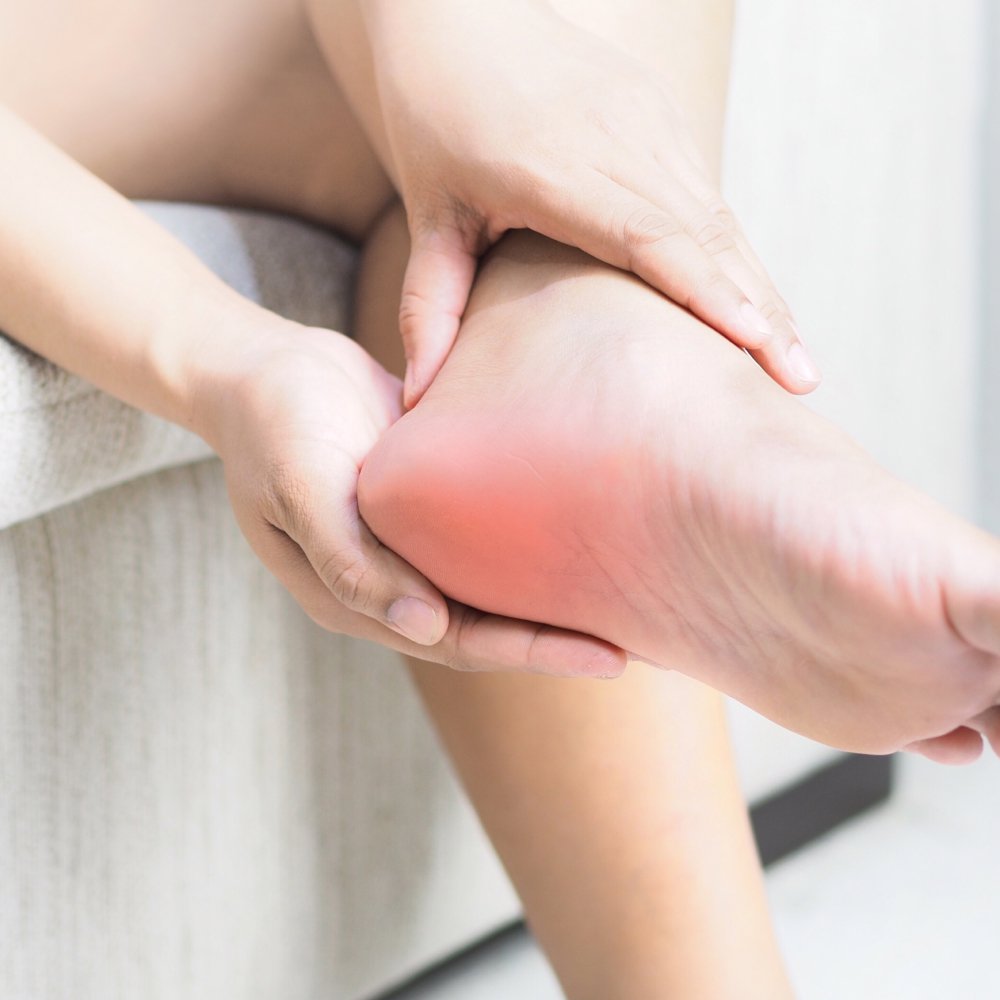
Foot and ankle problems can affect walking, standing, balance, exercise, and everyday mobility. Symptoms may arise from tendon or nerve problems, changes in foot mechanics, or conditions affecting muscle function.
At Healthy Vibes, physiotherapy focuses on assessing movement, strength, balance, and functional limitations to develop a suitable rehabilitation plan.
Conditions We Address
Plantar Fasciitis: A common cause of heel pain, often most noticeable during the first steps after waking up or after periods of rest.
Foot Drop: Difficulty lifting the front part of the foot, which may cause the toes to drag while walking. Foot drop requires medical assessment to identify its underlying cause.
Tarsal Tunnel Syndrome: Compression or irritation of a nerve near the inner ankle that may cause pain, tingling, burning, or numbness in the foot.
How Physiotherapy May Help
- Improve ankle and foot mobility.
- Strengthen relevant muscles.
- Address balance and walking difficulties.
- Progress appropriate flexibility and loading exercises.
- Support recovery and safer functional movement.
The treatment approach depends on the diagnosis and the structures involved.
When Should You Seek Assessment?
Seek professional assessment for persistent heel pain, recurring ankle discomfort, or changes in walking. New or sudden foot drop requires prompt medical evaluation rather than physiotherapy alone.
Take the First Step Towards Better Mobility
Wrist Pain Treatment
Improve Wrist Movement, Hand Function and Daily Comfort
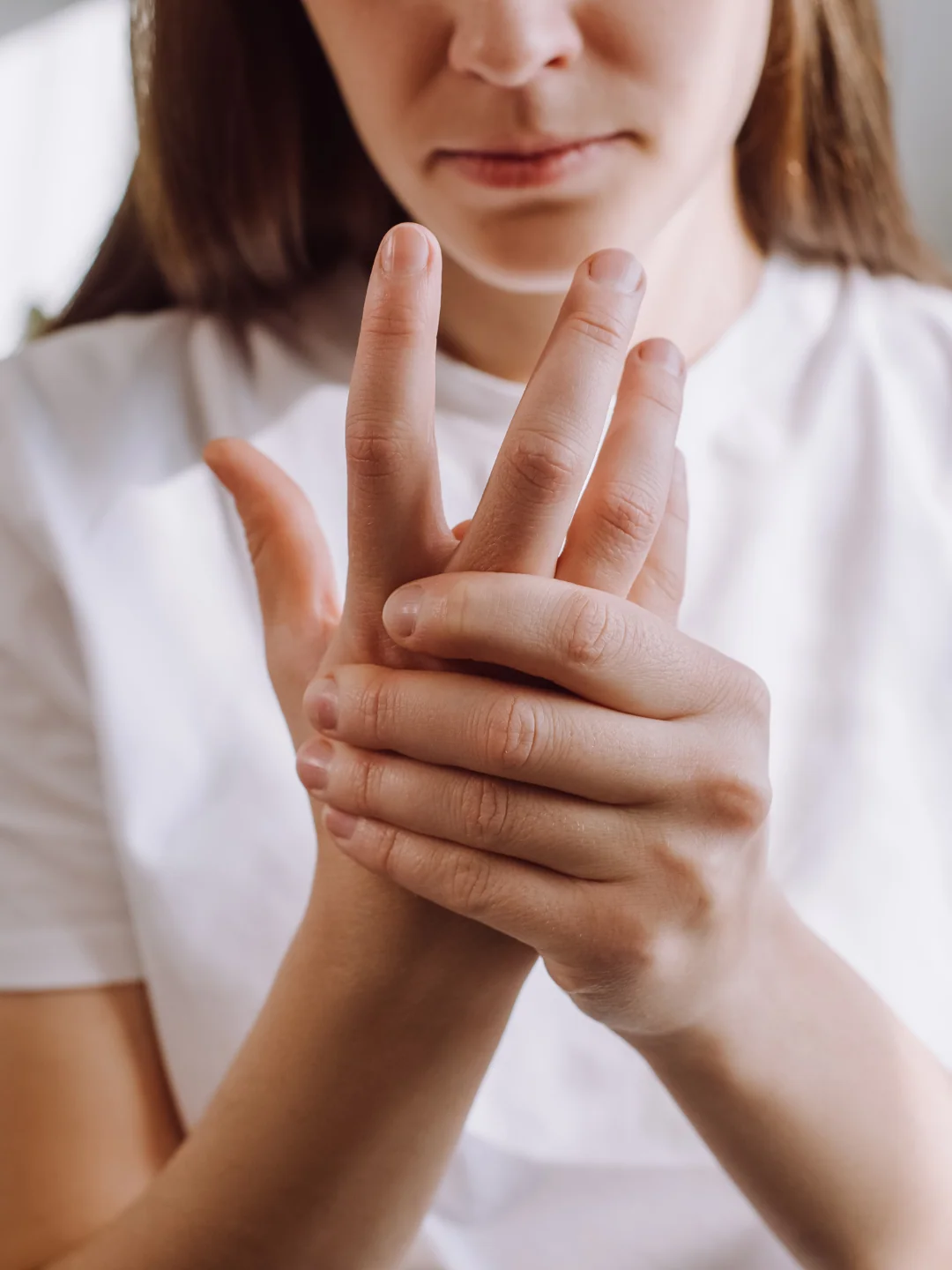
Wrist and hand problems can interfere with typing, writing, gripping objects, lifting, and other everyday activities. Symptoms may result from nerve compression, repetitive movements, injuries, or conditions affecting muscle and nerve function.
Healthy Vibes offers assessment-led physiotherapy to help identify functional limitations and develop an appropriate rehabilitation plan.
Conditions We Address
Carpal Tunnel Syndrome: Compression of the median nerve at the wrist that may cause tingling, numbness, pain, or weakness in the hand.
Wrist Drop: Difficulty extending the wrist and fingers, which can be associated with nerve dysfunction. Medical evaluation is important to establish the cause.
How Physiotherapy May Help
- Improve wrist and hand mobility where appropriate.
- Address relevant strength and functional limitations.
- Provide guidance on activity modification and movement habits.
- Support rehabilitation following appropriate medical assessment.
- Help improve tolerance for everyday hand activities.
Get Your Wrist and Hand Symptoms Assessed
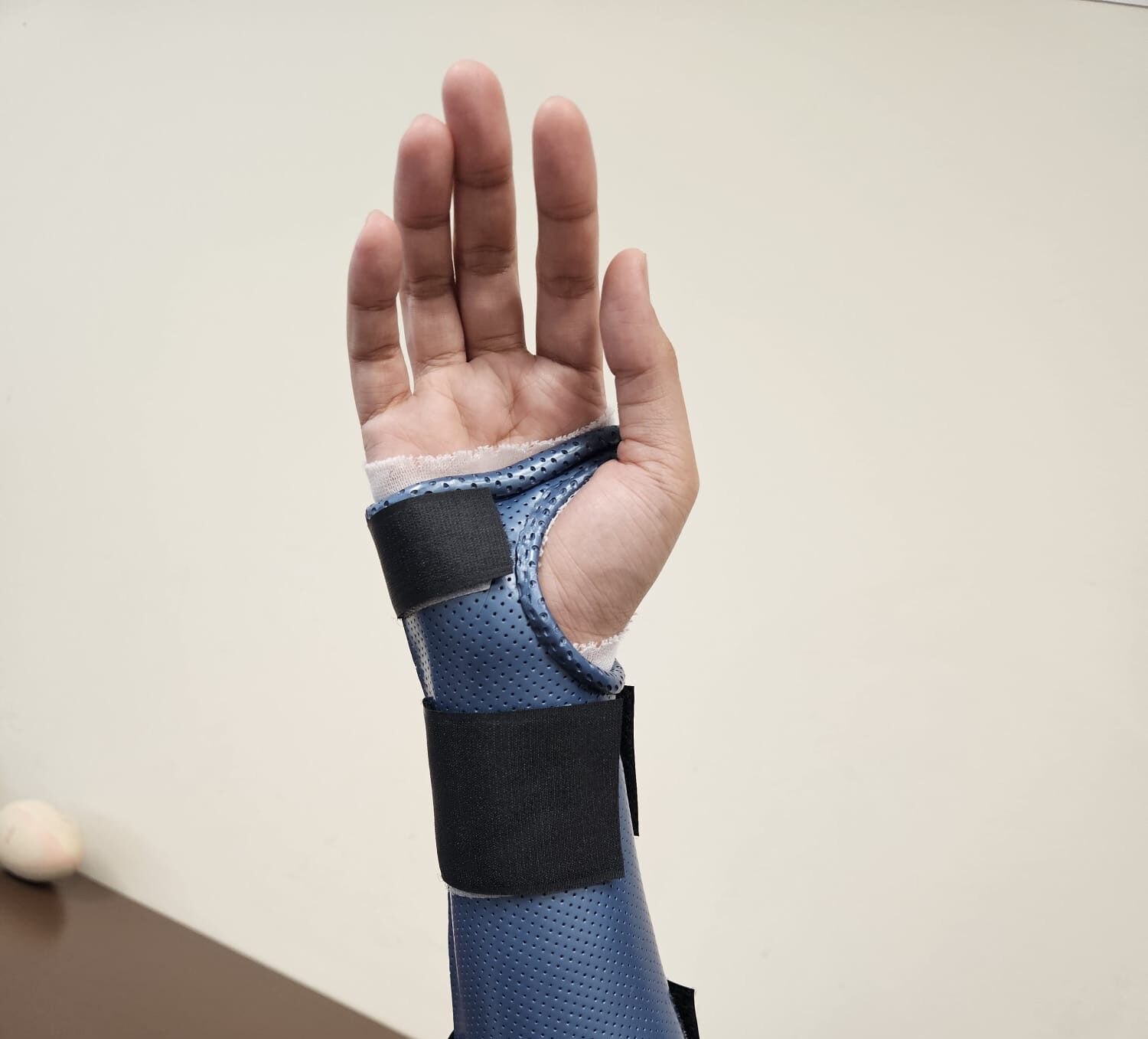
Muscle Spasm Treatment
Relieve Muscle Tightness and Improve Comfortable Movement
Muscle spasms involve involuntary muscle contractions that may cause tightness, discomfort, or temporary difficulty moving comfortably. They can occur in different areas of the body and may be associated with muscle fatigue, physical strain, prolonged positions, or other underlying factors.
At Healthy Vibes, we assess the location, severity, and possible contributing factors of muscle spasms before recommending suitable physiotherapy.
How Physiotherapy May Help
- Identify movement limitations and contributing factors.
- Improve flexibility and mobility where appropriate.
- Introduce suitable stretching and strengthening exercises.
- Provide guidance on posture, activity, and movement habits.
- Support a gradual return to comfortable daily activities.
Treatment depends on the underlying cause. Persistent, recurrent, or unexplained spasms may require medical evaluation, particularly when accompanied by weakness, numbness, or other concerning symptoms.
Take the First Step Towards Better Movement
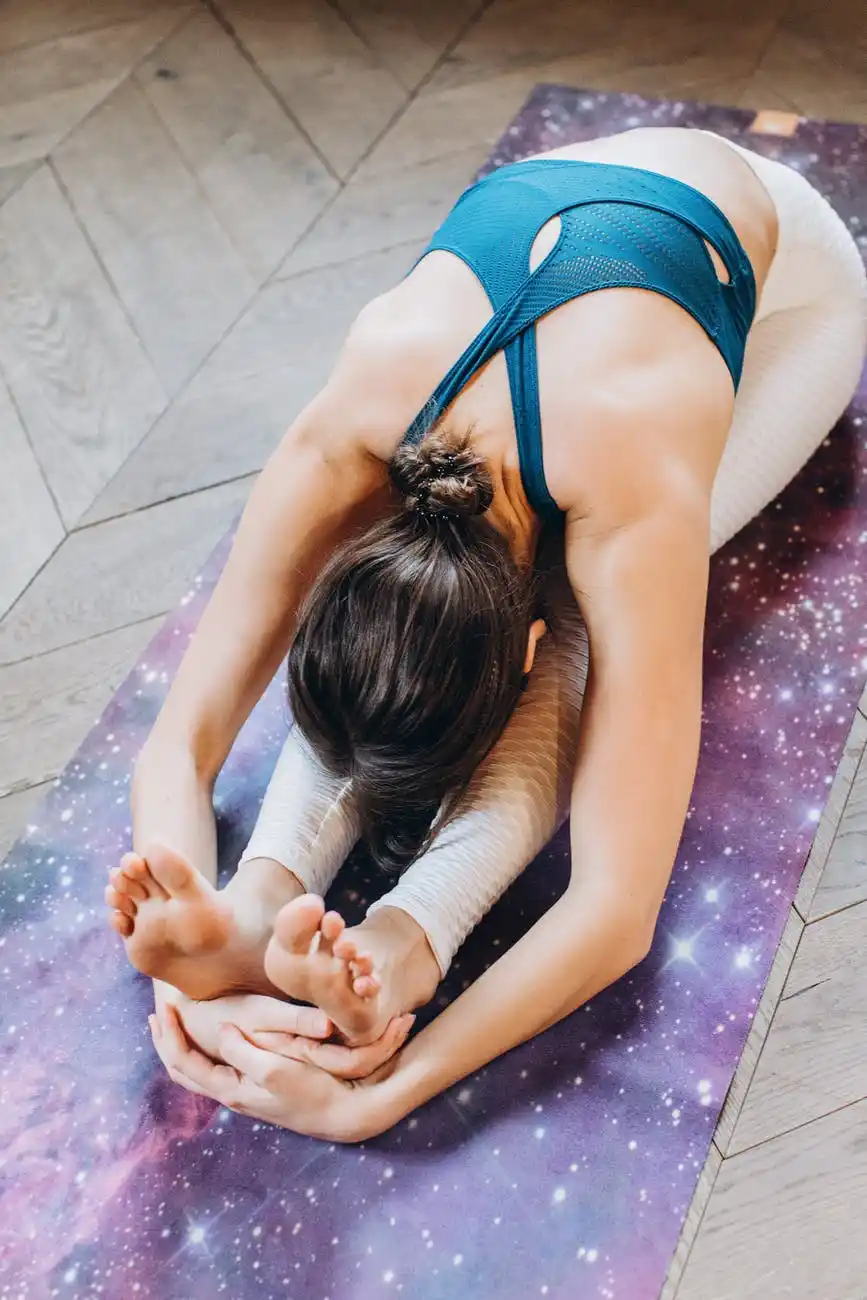
Post-Operative Fracture Rehabilitation
Rebuild Strength, Mobility and Confidence After a Fracture
Recovering after fracture surgery involves more than allowing the bone to heal. Depending on the injury and surgical procedure, rehabilitation may be needed to address stiffness, muscle weakness, reduced mobility, and difficulty performing everyday activities.
Healthy Vibes provides rehabilitation support tailored to your fracture, surgical procedure, stage of healing, and medical team’s recommendations.
Rehabilitation May Focus On
- Gradually improving joint mobility as permitted.
- Addressing muscle weakness and loss of flexibility.
- Progressing balance and coordination where appropriate.
- Improving walking and functional movement.
- Supporting a gradual return to daily activities.
A Recovery Plan Designed Around You
Every fracture and surgical procedure is different. Rehabilitation exercises and weight-bearing activities must follow the treating surgeon’s restrictions and the stage of bone healing.
When Should You Begin Rehabilitation?
The appropriate starting point depends on the type of fracture, the operation performed, and your surgeon’s advice. A physiotherapy assessment can help establish suitable rehabilitation goals and progression.
Plan Your Recovery with Healthy Vibes